

Photo by Ahmed akacha on Pexels
Middle East flight disruptions due to current war are reshaping routes, schedules, and airport operations across one of the world's busiest aviation corridors. We've tracked these changes closely because they affect more than vacation plans: they can disrupt visa timelines, passport renewals, residency moves, and urgent family travel. For globally mobile travelers, the key issue is simple: airspace risk in the Middle East can change within hours, and airlines often react before governments publish consumer-facing guidance. This article explains what is changing, which routes are most exposed, what passengers should do before leaving for the airport, and how refunds, rebooking, and insurance usually work. It is informational only, not legal advice.
Key Takeaways
- Middle East flight disruptions due to current war can change within hours as airlines reroute or cancel flights before government consumer guidance is updated.
- Airspace closures around Israel, Iran, Iraq, Lebanon, Syria, Yemen, and parts of the Gulf often make trips longer, costlier, and more likely to trigger missed connections.
- Before leaving for the airport, check your flight status twice, confirm passport and visa rules for every transit point, and save screenshots of your booking and any airline waivers.
- If a cancellation happens, contact the operating airline first and ask for the next available flight, a partner-airline reroute, or a full refund based on your travel needs.
- Travel insurance and airline policies may limit coverage for war-related disruptions, so read the policy terms carefully and weigh whether rebooking is better than accepting a refund for time-sensitive travel.
- For travelers managing visas, residency moves, or family emergencies, Middle East flight disruptions due to current war make backup routes, extra time, and clear records essential.
Why Flights Across The Middle East Are Being Disrupted
Conflict disrupts flights because airlines cannot safely operate through contested or restricted airspace. In the Middle East, that risk has grown when missile launches, drone activity, military responses, and sudden state advisories have affected corridors near Israel, Iran, Iraq, Lebanon, Syria, Yemen, and parts of the Gulf.
Civil aviation depends on tightly managed airspace. When conflict escalates, regulators and air navigation authorities may issue notices to air missions, known as NOTAMs, limiting or suspending overflights. Airlines then reroute aircraft, reduce frequency, delay departures, or suspend service entirely. The International Civil Aviation Organization and national agencies such as the U.S. Federal Aviation Administration regularly publish safety restrictions and advisories for conflict zones.
What changed compared with calmer periods is speed and scale. A route that was viable yesterday may be closed today. We've seen this in practice when carriers serving Tel Aviv, Beirut, Amman, Dubai, Doha, and Riyadh adjusted flight paths or paused select frequencies after regional flare-ups. These changes do not always reflect damage at the destination airport itself: often the problem is the surrounding airspace.
For travelers managing passports, visas, or relocation timelines, the practical effect is timing risk. A same-day cancellation can cause missed consular appointments or delayed document submissions. That is one reason we often advise readers at Passport Factory to treat flight planning and document planning as connected tasks, especially for time-sensitive international travel.
How Airspace Closures And Route Changes Affect Travelers
Airspace closures usually make trips longer, more expensive, and less predictable. When airlines avoid a conflict zone, they often add flight time, burn more fuel, and reduce aircraft utilization across the network.
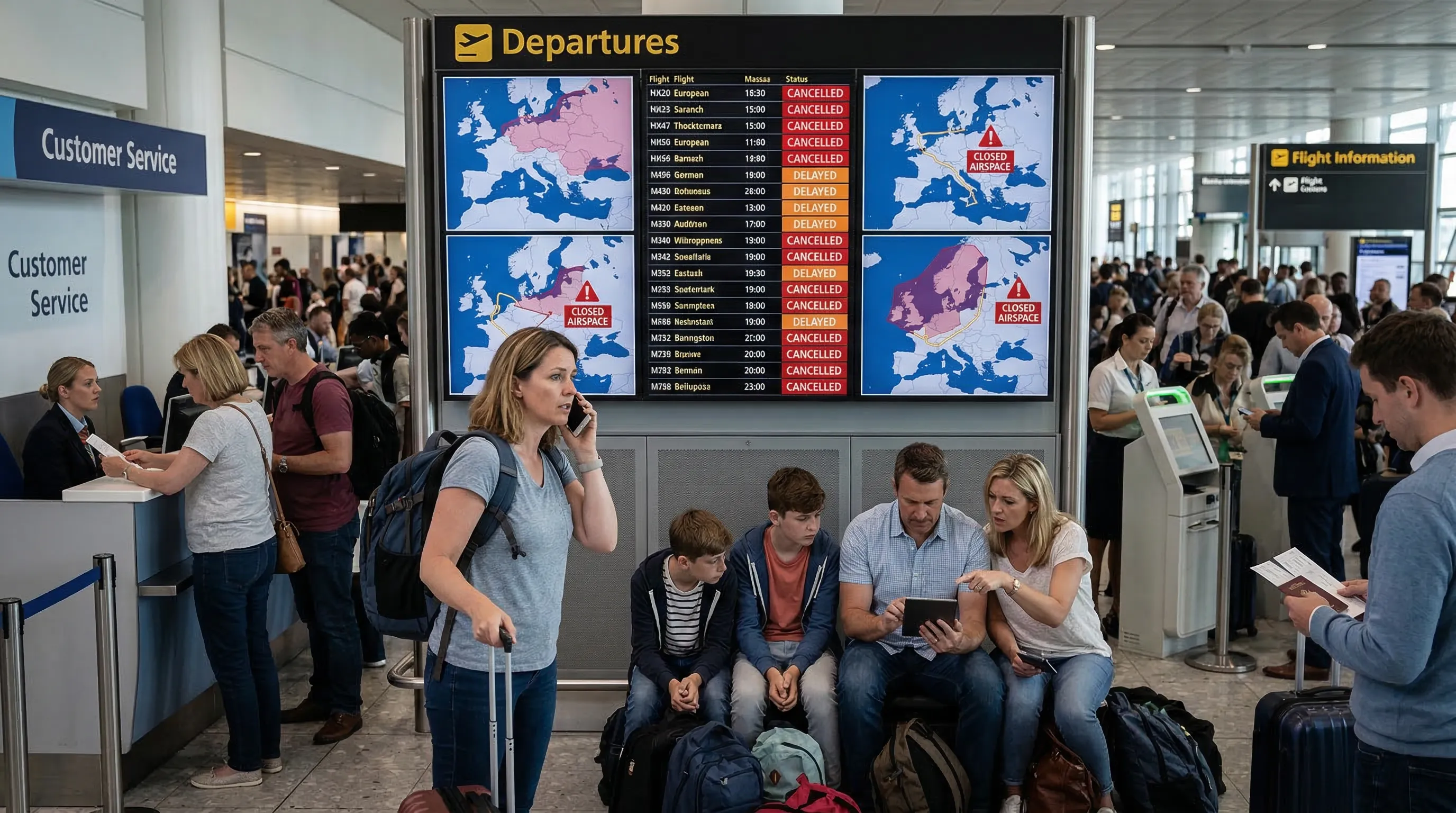
A detour of even 30 to 90 minutes can break tight onward connections in hubs such as Doha, Dubai, Abu Dhabi, Istanbul, or Amman. On long-haul routes between Europe, Asia, and Africa, rerouting around restricted Middle Eastern corridors can also trigger crew-hour limits. That matters because if a crew times out, the flight may need a technical stop or a delayed replacement crew.
Travelers feel this in three ways:
- Higher disruption risk: more missed connections and schedule changes
- Reduced availability: fewer seats on remaining flights after suspensions
- Potential fare increases: especially on short-notice bookings
The European Union Aviation Safety Agency and national foreign ministries sometimes issue conflict-zone bulletins that shape airline decisions even before a full closure. That means two airlines can treat the same destination differently on the same day.
Who benefits? Flexible travelers with refundable tickets, elite status, or strong travel insurance usually have more options. Who is affected most? Students, migrant workers, families with children, and travelers tied to visa interview dates or residence permit deadlines often have the least room to absorb sudden changes. If your trip also depends on passport validity rules, our guide to passport validity requirements is worth reviewing before rebooking — and if you are unsure whether a specific destination enforces the 6-month passport validity rule, check our country-by-country breakdown before you rebook onto a new itinerary.
Which Flights And Destinations Are Most Likely To Be Impacted
Flights most likely to be impacted are those that either land in active-risk areas or cross nearby airspace on east-west trunk routes. In practical terms, routes touching Israel, Lebanon, Jordan, Iraq, Iran, and sometimes the Gulf can see the fastest changes.
Nonstop service to Tel Aviv and Beirut has been especially sensitive during escalation periods. Flights connecting Europe to South Asia or Southeast Asia may also be affected even when the destination is not in the Middle East, because many of those paths historically crossed regional airspace. Carriers then shift south or north, changing block times and sometimes aircraft assignments.
Destinations and hubs to watch closely include:
- Tel Aviv (TLV) and Beirut (BEY) for direct security-driven disruptions
- Amman (AMM) for spillover from neighboring airspace changes
- Dubai (DXB), Abu Dhabi (AUH), and Doha (DOH) for network-wide knock-on effects
- Iraq and Iran overflight corridors for Europe-Asia route planning changes
In our own monitoring, we've found that airline app alerts often appear before airport websites fully update. That is one reason frequent travelers should rely on both sources. Official country advisories from the UK Foreign, Commonwealth & Development Office or the U.S. Department of State also help frame broader risk.
What Passengers Should Do Before Heading To The Airport
Passengers should confirm three things before leaving home: flight status, entry documents, and rebooking options. Do that on the airline app first, then on the departure airport site.
We recommend this short checklist:
- Check status within 12 hours and again within 3 hours of departure.
- Screenshot your booking, fare rules, and any airline waiver notice.
- Verify passport validity and visa conditions for all transit points, not just the final destination.
- Pack essentials in carry-on in case checked bags are delayed during rerouting.
- Arrive early only if the flight is confirmed. During irregular operations, getting there too soon can mean long waits with no desk staff available.
This matters because rerouted itineraries can introduce a new transit country. A traveler who originally had a simple one-stop itinerary may suddenly need to pass through another airport with different visa rules.
How To Handle Delays, Cancellations, And Rebooking
The best response to a cancellation is to act fast and document everything. When flights are disrupted by conflict-related events, seat inventory disappears quickly, especially on alternative routes out of major hubs.
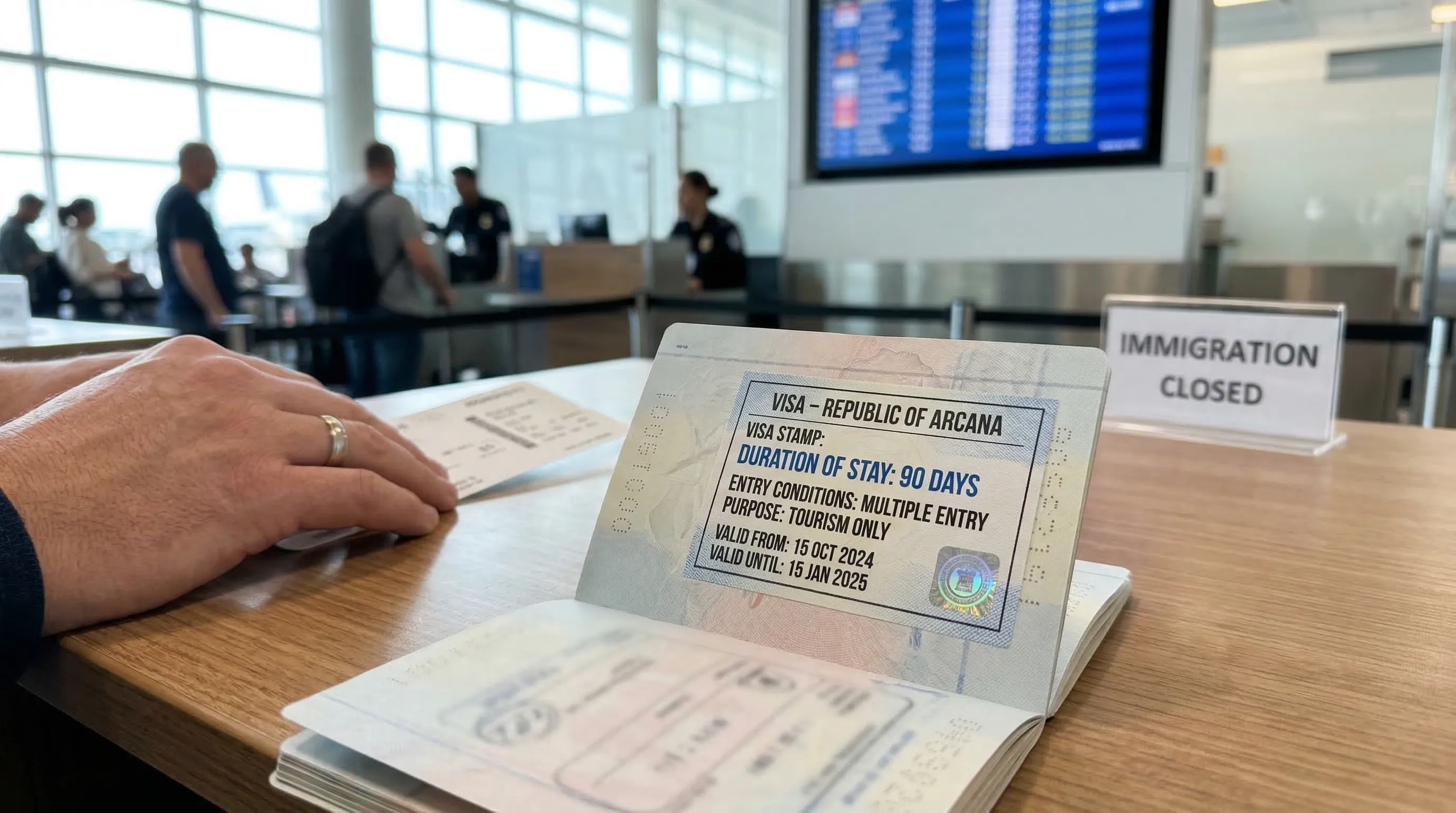
Start with the operating airline, not the booking platform. Airline agents usually control same-day reaccommodation. Ask for three options: the next available flight, a partner-airline reroute, or a full refund if you no longer want to travel. If you booked through an online travel agency, the agency may still need to process voluntary changes, but involuntary cancellations are often easier to resolve directly with the carrier first.
Processing times vary. Same-day rebooking can happen in minutes if seats exist. Refunds often take 7 to 30 business days, depending on airline and payment method. Hotel and meal vouchers may be limited if the airline classifies the disruption as extraordinary circumstances tied to security events.
We suggest keeping a simple record:
- Cancellation notice time
- Screenshots of status changes
- Names of agents you spoke with
- Receipts for meals, hotels, and transport
That paper trail matters if you later claim under insurance or consumer rules. If your cancellation affects a visa appointment, residency filing, or passport submission, contact the relevant consulate or authority immediately and request a reschedule in writing. For document-sensitive travel, we've seen clients save weeks by preserving evidence early rather than trying to reconstruct events later.
What Travel Insurance, Airline Policies, And Refund Rules May Cover
Coverage depends on the cause of disruption, the timing of your purchase, and the law governing your ticket. Not all war-related events are covered in the same way.
Many standard travel insurance policies exclude direct losses caused by war, armed conflict, or civil unrest. But some policies still cover knock-on problems such as trip delay, missed connection, or emergency expenses if the event meets the policy definition. Always read the certificate wording. For U.S.-booked policies, terms vary widely by insurer. For EU-regulated flights, compensation under EU261/2004 may not apply when cancellations result from extraordinary circumstances such as security risks, though rerouting or refunds can still be required.
Airline policies also differ. During major regional events, carriers sometimes publish temporary travel waivers that allow free date changes or destination changes for affected bookings. These waivers usually have booking-date cutoffs and travel windows.
Typical out-of-pocket ranges during a disruption can include:
- Airport hotel: $80 to $300+ per night depending on city
- Last-minute rebooking fare difference: $150 to $1,000+
- Meals and local transport: $20 to $100 per day
Before accepting a refund, check whether rebooking would preserve a time-sensitive visa or immigration process. A refund can end the airline's transport obligation, while a reroute may get you there in time.
Conclusion
Middle East flight disruptions due to current war are not just an airline scheduling issue: they affect border timing, visa plans, family travel, and business mobility. The core pattern is clear: when security risk rises, airspace restrictions spread quickly, and travelers with rigid plans face the greatest pressure.
Our practical view is simple. Check official advisories, monitor your airline app closely, keep your documents ready, and preserve evidence if anything changes. If your trip involves a passport renewal, residency deadline, or citizenship appointment, build in extra time and have a backup route in mind. And if you are using travel planning as part of a wider mobility strategy, resources from Passport Factory can help you stay organized.
Rules and airline responses can change by the hour. Use this article as a planning guide, not legal advice, and confirm final decisions with your airline, insurer, and relevant government authority before you travel.
Frequently Asked Questions About Middle East Flight Disruptions Due to Current War
Why are Middle East flight disruptions due to current war happening so often right now?
Middle East flight disruptions due to current war usually happen when airlines and regulators respond to missile threats, drone activity, military action, or sudden airspace restrictions. Even if an airport stays open, nearby airspace can become unsafe, forcing carriers to delay, reroute, reduce frequency, or cancel flights quickly.
Which routes are most affected by Middle East flight disruptions due to current war?
Flights to or through Tel Aviv, Beirut, Amman, Iraq, Iran, and some Gulf corridors are often most exposed. Europe-to-Asia routes can also be disrupted because many normally cross Middle Eastern airspace. That can lead to longer flight times, missed connections, aircraft swaps, and fewer available seats.
What should I check before leaving for the airport during Middle East flight disruptions due to current war?
Check your flight status on the airline app first, then confirm it on the airport website. Review passport validity, visa rules, and any transit requirements, especially if rerouting adds a new stop. Save screenshots of your booking and fare rules, and pack essentials in carry-on in case delays affect checked baggage.
How should I handle a canceled flight caused by conflict-related disruptions in the Middle East?
Act quickly and contact the operating airline first, since it usually controls same-day rebooking. Ask about the next available flight, partner-airline rerouting, or a refund. Keep screenshots, receipts, and agent names. If your trip involves a visa appointment or residency deadline, notify the relevant authority immediately in writing.
Does travel insurance cover Middle East flight disruptions caused by war?
Not always. Many standard policies exclude direct losses caused by war, armed conflict, or civil unrest. However, some may still cover trip delays, missed connections, or emergency expenses depending on the wording. Airline waivers and ticket rules may also allow rebooking or refunds, so review both your policy and carrier terms carefully.
Can airlines reroute me through a different country, and do I need new transit documents?
Yes. During Middle East flight disruptions due to current war, airlines may reroute passengers through a different hub or transit country. That can create new passport validity, visa, or transit-permit requirements. Always verify the document rules for every stop on your updated itinerary to avoid denied boarding or missed connections.