
Photo by Kenneth Surillo on Pexels
The best passports for remote workers combine visa-free reach, predictable residency rules, and a practical home base for tax, banking, and long-term mobility. We've reviewed this topic through the lens we use at Passport Factory: not just passport power, but how a passport supports real remote work life, entry rules, renewal logistics, residency pathways, and what changed in recent policy updates. Rankings and mobility figures can change quickly based on bilateral agreements, sanctions, or immigration reforms, so we reference official sources where possible and focus on implications for globally mobile professionals.
Key Takeaways
- The best passports for remote workers combine strong visa-free travel with practical residency rules, banking access, and a reliable base for everyday remote work.
- Portugal and Spain stand out for remote workers because they pair about 190-destination mobility with digital nomad visa pathways and livable EU hubs.
- Germany, the Netherlands, and Ireland offer strong passport remote work flexibility through business credibility, efficient administration, or unique EU-UK access.
- Singapore leads on pure global mobility, while Japan adds safety and travel convenience, but both are harder citizenship options for many remote workers.
- Canada is a strong long-term choice for remote workers who want quality of life, clear citizenship planning, and flexibility for families or entrepreneurs.
- The best passports for remote workers should be judged by tax rules, residency timelines, housing costs, and policy changes, not just passport rankings.
1. Portugal Passport: One of the best Passport for Remote Workers
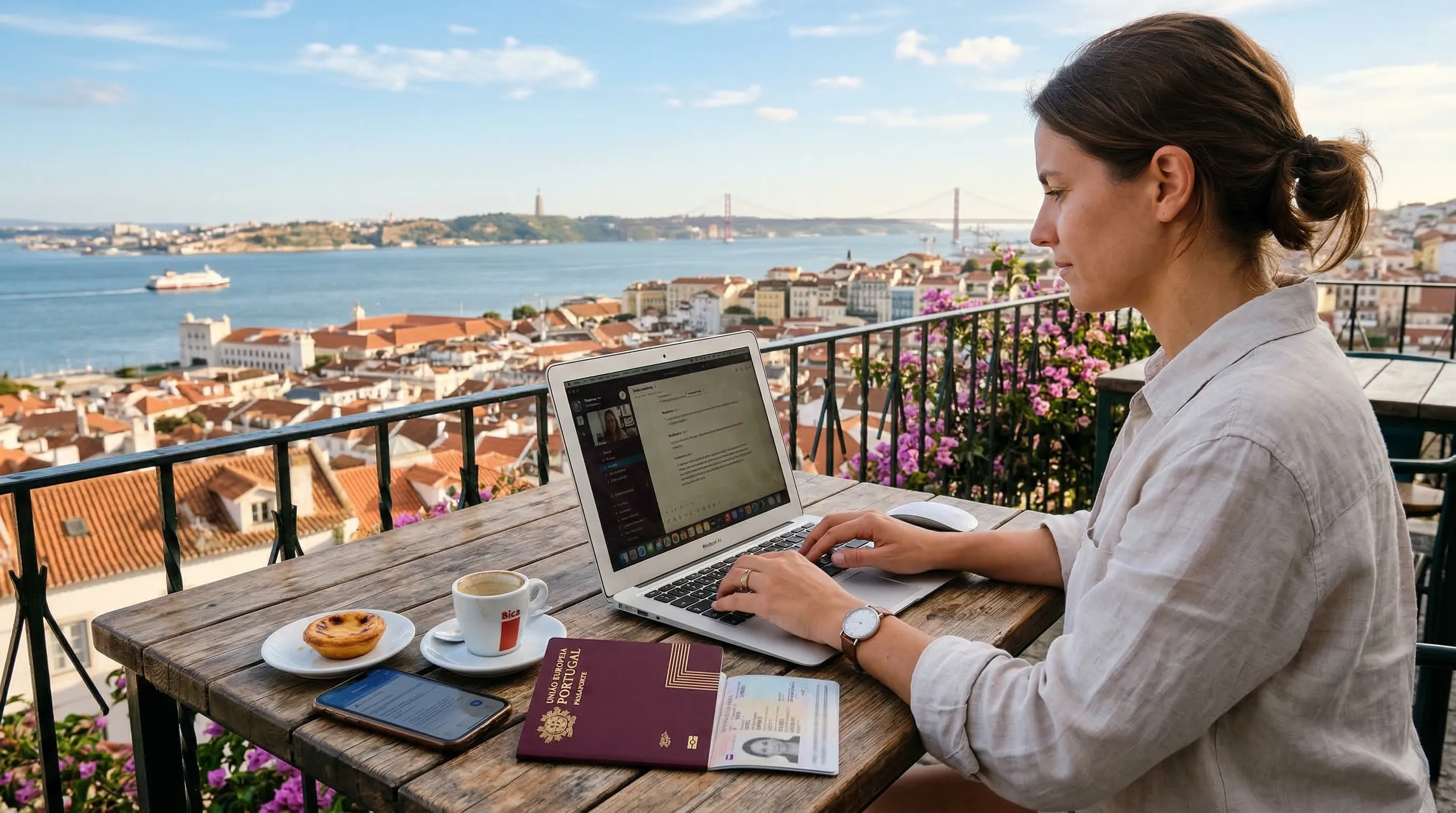
Portugal is one of the best passports for remote workers because it pairs strong global mobility with an established digital nomad ecosystem. As of 2025, Portuguese citizens enjoy visa-free or visa-on-arrival access to roughly 190 destinations according to major passport indexes such as the Henley Passport Index. That reach matters, but the bigger advantage is the country's remote-work-friendly base.
Portugal also stands out because its immigration framework has actively adapted to remote earners. The D8 digital nomad visa, introduced in 2022 and administered through Portuguese consular channels and AIMA, gave non-EU remote workers a clearer legal route than the older patchwork of residence options. Compared with the pre-2022 setup, applicants now have a more explicit category tailored to location-independent income.
For people exploring citizenship or descent routes, we often see Portugal discussed alongside broader citizenship and passport planning resources. Processing times vary widely by route, but naturalization generally requires five years of legal residence under current nationality rules. Government fees are modest by European standards, though legal and translation costs can raise total expenses into the low thousands of euros.
Why It Appeals To Digital Nomads
Portugal appeals to digital nomads because the country works in practice, not just on paper. Lisbon, Porto, and Madeira offer coworking infrastructure, strong air connections, and widespread English use in professional settings. In our review of remote-worker setups, Portugal consistently performs well for Schengen access, banking access, and lifestyle balance.
Who benefits most? Freelancers, startup founders, and families who want an EU base without Germany-level bureaucracy or Singapore-level housing costs. Who is affected by rule changes? Non-EU nationals using residency pathways should watch income thresholds, appointment delays, and tax-policy adjustments, especially around the former Non-Habitual Resident regime, which was reworked in 2024. For ongoing travel planning, readers comparing EU passport options often place Portugal near the top because it supports both mobility and residence continuity.
2. Spain Passport: Flexible European Access And Lifestyle Appeal
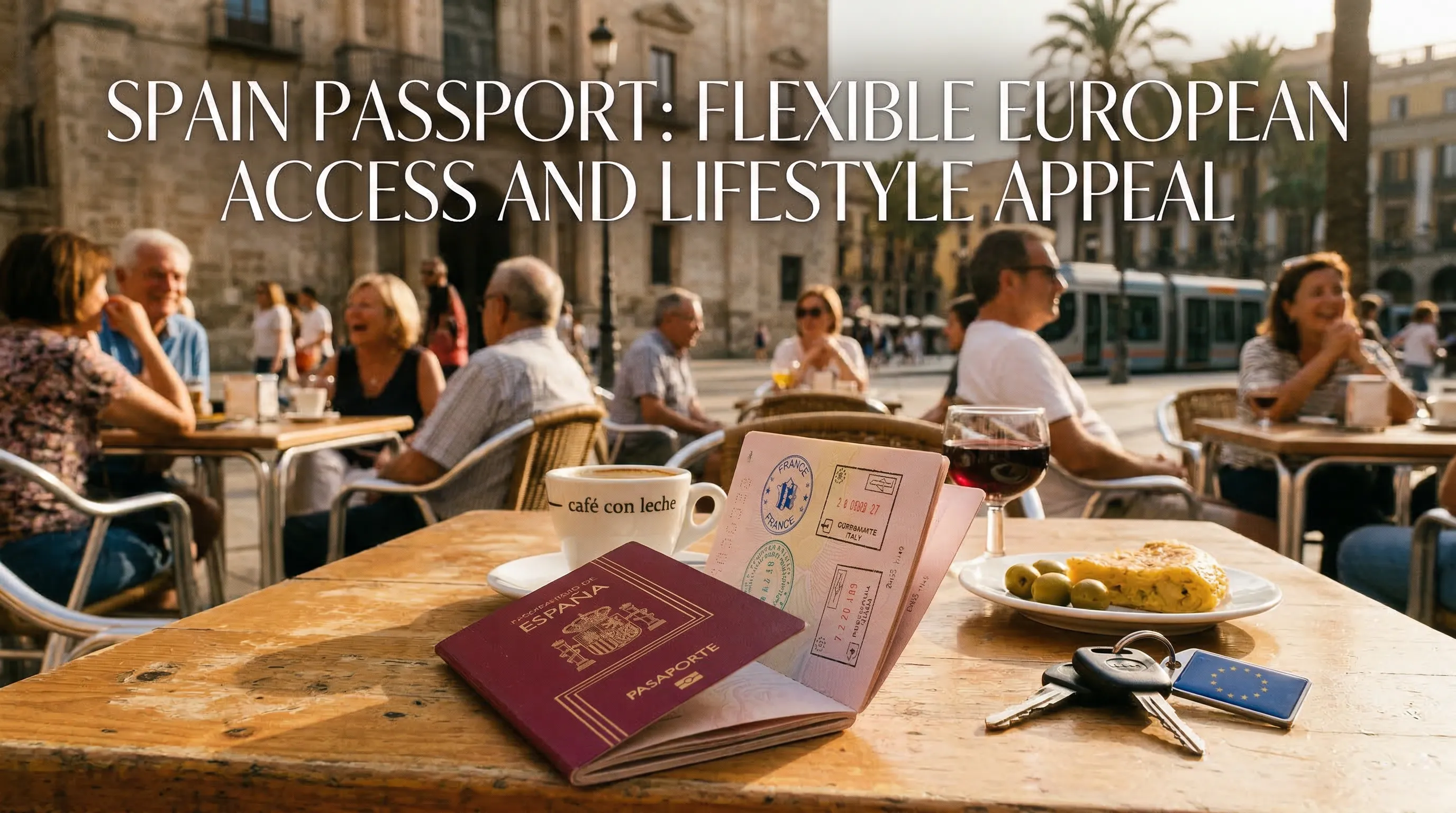
Spain is a strong passport remote work flexibility option because it combines broad Schengen mobility with one of Europe's most attractive lifestyle propositions. Spanish citizens generally have access to about 190 destinations, and the passport is backed by a major EU economy with extensive consular coverage.
The reason Spain ranks highly for remote workers is not only the passport itself. Spain's digital nomad visa, launched under the Startup Act and rolled out in 2023, changed the picture for location-independent professionals. Before that reform, remote workers often relied on less tailored residence categories. Now, Spain offers a clearer route for non-EU professionals working for foreign employers or clients, subject to income and documentation requirements through official government channels such as La Moncloa and immigration authorities.
Remote workers also care about costs. Spain can be more affordable than Amsterdam or Dublin outside Madrid and Barcelona, though social security and tax treatment need careful review. This is not legal advice, and tax residence can trigger after 183 days in a calendar year. For readers weighing documentation and nationality options, passport renewal and immigration guidance can help frame the administrative side.
Why It Works For Location-Independent Professionals
Spain works for location-independent professionals because it offers a usable combination of climate, transport, and legal structure. Valencia, Málaga, and Barcelona are established remote-work hubs. High-speed rail and dense flight networks make short-term movement across Europe easy.
The main tradeoff is administration. Processing times can be efficient in some cases but inconsistent across regions. Remote workers who value lifestyle first and bureaucracy second often still accept that trade. Spain suits creatives, consultants, and founders who want EU access plus strong day-to-day livability.
3. Germany Passport: Exceptional Global Access And Business Credibility
Germany offers one of the most credible and practical passports for remote workers who operate internationally. German passport holders typically enjoy visa-free or visa-on-arrival access to around 190 destinations, and the passport carries strong institutional trust at borders, banks, and consulates. In real-world use, that credibility can reduce friction when opening accounts, leasing property, or documenting identity for cross-border contracts.
Germany became more interesting in 2024 because nationality law reforms made dual citizenship broadly easier and shortened the standard naturalization timeline from eight years to five in many cases, subject to conditions. That change benefits long-term residents who previously hesitated because they did not want to renounce another nationality. Official legislative information is available through BMI.
For remote workers, Germany's advantage is stability rather than ease. It is not the lightest-bureaucracy option, and residency rules remain document-heavy. But if your work involves enterprise clients, regulated industries, or high-trust financial relationships, a German passport can be a serious asset. We often compare this with other second passport pathways when readers prioritize reputation over pure lifestyle. Costs are moderate for public filing, but compliance, registration, and insurance requirements can add significant overhead.
4. Netherlands Passport: Efficient Travel And International Ease
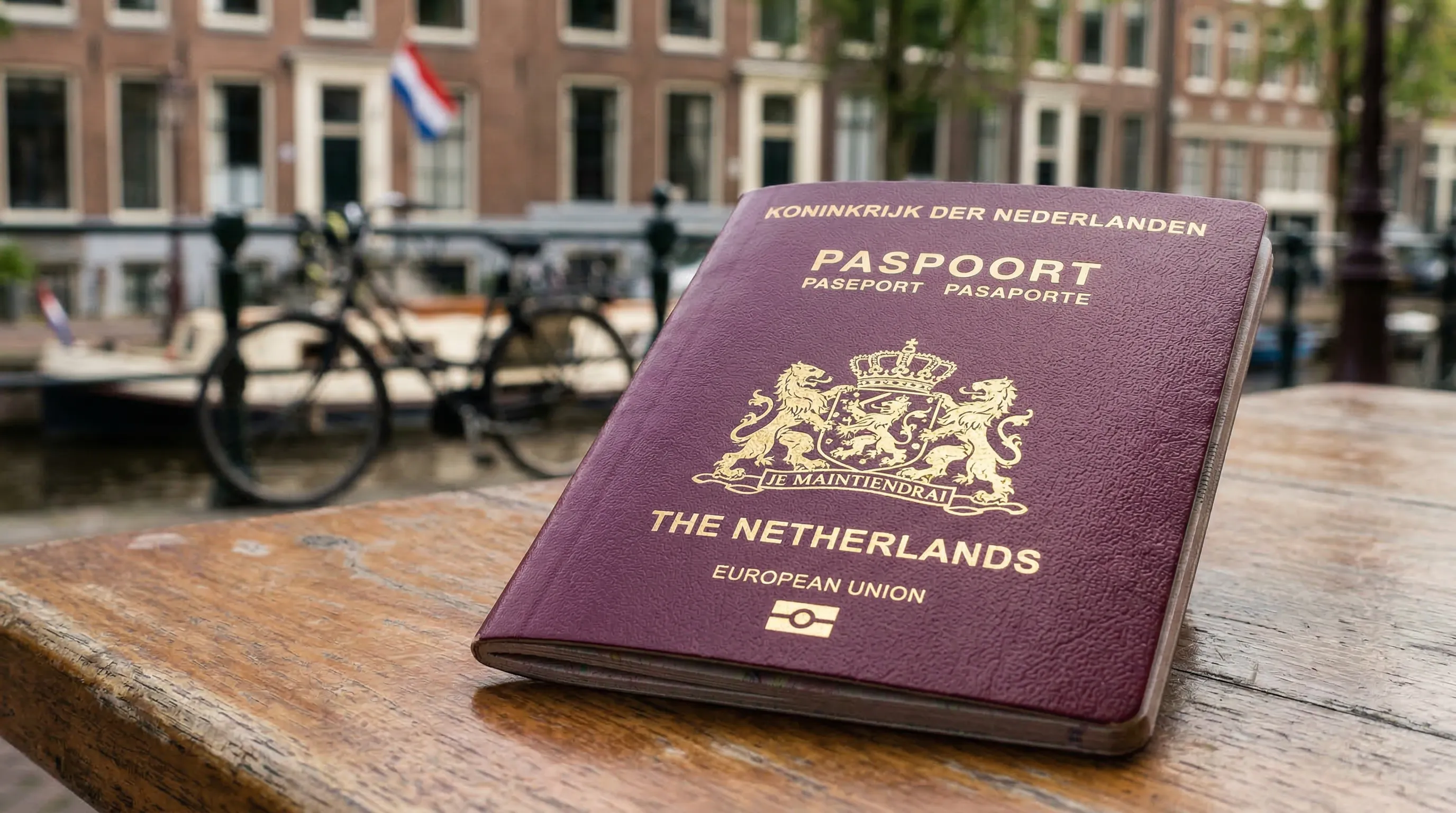
The Netherlands passport is ideal for remote workers who value efficient travel, strong institutions, and smooth international administration. Dutch citizens usually have access to about 190 destinations, and Schiphol remains one of Europe's best-connected airports even though periodic congestion issues. For remote professionals who move often, that connectivity matters as much as raw passport rankings.
The Dutch advantage is operational ease. The country has strong digital government systems, reliable infrastructure, and a highly international business culture. English proficiency is exceptionally high: the EF English Proficiency Index has consistently ranked the Netherlands near the top globally. In practice, that reduces friction in contracts, housing, healthcare, and local services.
The tradeoff is cost. Amsterdam and other major Dutch cities are expensive, and housing shortages affect newcomers sharply. Naturalization generally requires five years of legal residence, with conditions and possible renunciation issues depending on nationality and exemptions. Readers looking into broader residency and citizenship options often compare the Netherlands with Germany and Ireland for exactly this reason: it is exceptionally usable, but rarely cheap.
For a remote founder or consultant serving Europe and North America, the Dutch passport often feels less flashy than Singapore's but more balanced in daily life.
5. Ireland Passport: Dual Access To The EU And Common Travel Area
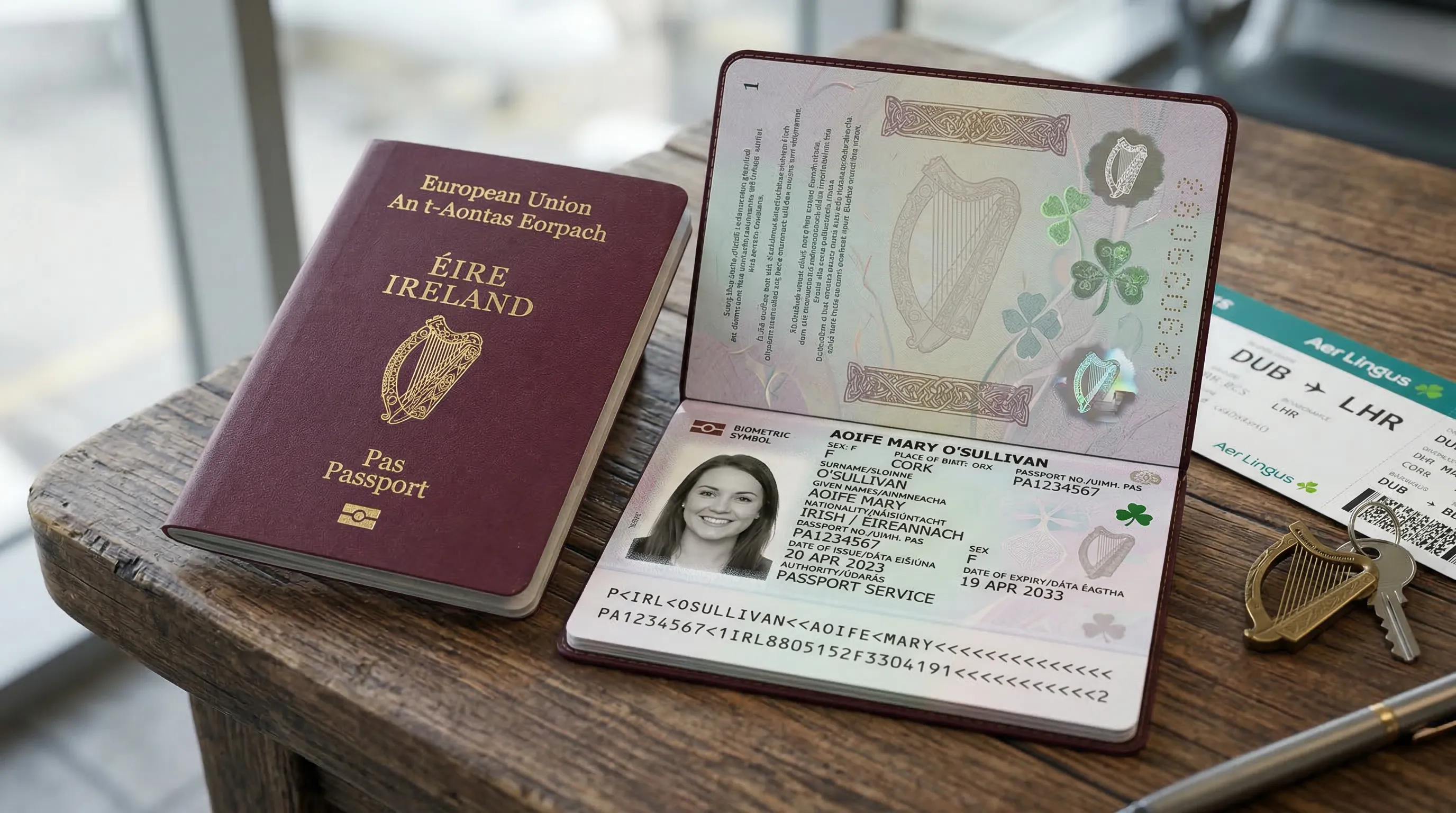
Ireland offers a uniquely strategic passport remote work flexibility profile because it gives citizens both EU freedom of movement and Common Travel Area rights with the United Kingdom. That combination is rare. Irish passport holders also benefit from access to roughly 190 destinations and a passport associated with a stable, English-speaking EU member state.
This matters for remote workers who split time between Dublin, London, continental Europe, and North America. Ireland's deep ties to US tech, finance, and multinational employers create practical advantages beyond tourism access. We've seen it work especially well for founders and senior professionals who need an EU base but also want easy movement connected to the UK labor market.
Citizenship routes vary. Irish nationality by descent is especially relevant for diaspora applicants with an Irish-born parent or grandparent, usually through the Foreign Births Register. Official rules are set out by the Department of Foreign Affairs. Readers researching family-based options often start with descent citizenship resources before comparing timelines and document burdens.
Why It Stands Out Post-Brexit
Ireland stands out after Brexit because it preserved legal access to the EU while retaining special mobility rights with the UK. Before 2020, a British passport gave remote workers much of that convenience. After Brexit, Irish citizenship became more valuable for people who want both markets.
Who benefits most? UK-connected families, dual nationals, and professionals serving clients in London and the EU. The main downside is cost: Dublin is expensive, and housing pressure is severe. But for flexible international work, the Irish passport is hard to replicate.
6. Singapore Passport: Top-Tier Visa-Free Travel For Global Mobility
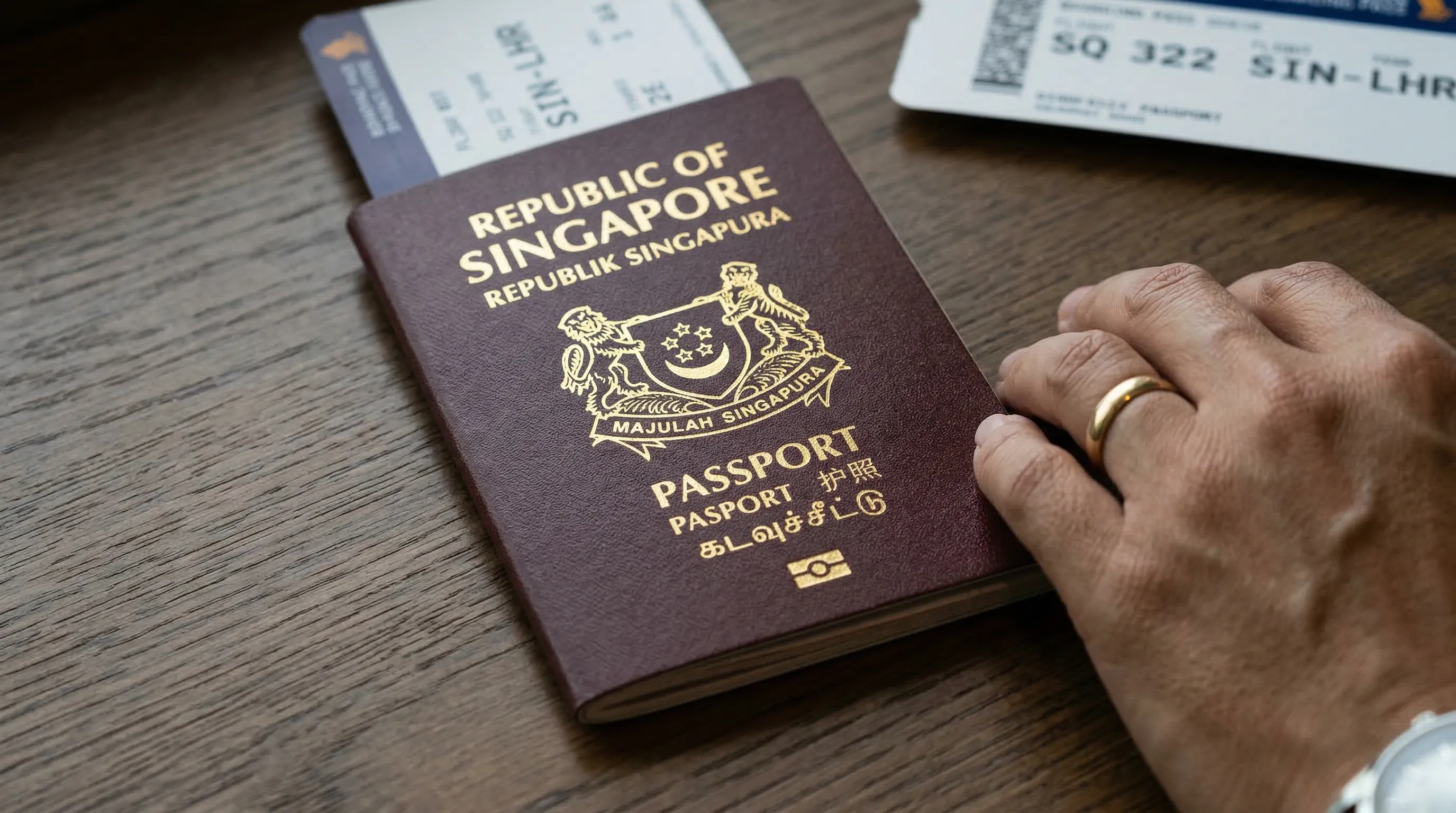
Singapore regularly ranks at or near number one among the best passports for remote workers if pure mobility is the goal. In 2025, it offers visa-free or visa-on-arrival access to around 195 destinations according to major global rankings. That number is not just impressive on paper: it translates into unusually smooth short-notice travel across Asia, Europe, and the Americas.
Singapore's value comes from predictability. Changi Airport, efficient border systems, and strong state capacity make international movement simple. For remote workers running regional operations, that reliability can save time every month. But the passport is difficult to obtain through ordinary naturalization compared with some European pathways, and Singapore generally does not recognize dual citizenship for adults. That single rule affects who should seriously pursue it.
Official immigration policy is managed through the Immigration & Checkpoints Authority. If you are comparing long-term options, Passport Factory is most relevant here as a research starting point rather than a shortcut, because Singapore requires realistic planning and strong eligibility.
Best Fit For Asia-Based Remote Workers
Singapore fits Asia-based remote workers best, especially founders, investors, and operators who need access to Jakarta, Bangkok, Hong Kong, Dubai, and London with minimal visa friction. It benefits high-income professionals who can absorb housing costs and comply with strict residency expectations. It is less suitable for nomads seeking low-cost, low-commitment relocation.
7. Japan Passport: Reliable Access, Safety, And Travel Convenience
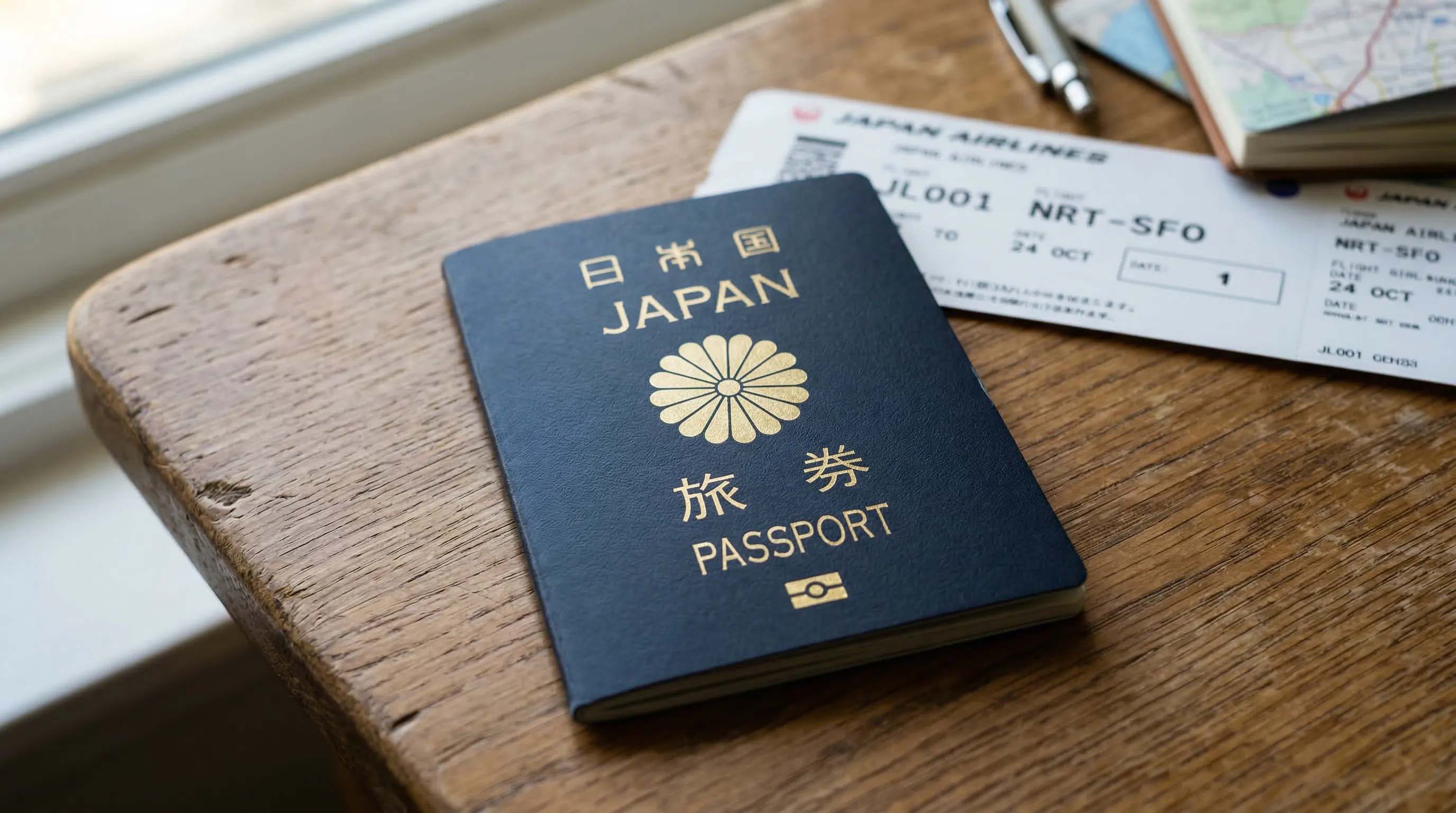
Japan remains one of the best passports for remote workers who prioritize safety, infrastructure, and predictable travel. Japanese citizens usually have access to around 190 destinations, and the passport is supported by one of the world's strongest reputations for reliability and low fraud risk.
Japan's edge is the environment around the passport. Public transport is world-class, cities are safe, and daily systems work. For remote professionals, that lowers the cognitive load of living and traveling. Tokyo, Osaka, and Fukuoka each offer different balances of cost, connectivity, and startup culture. In our experience reviewing mobility setups, Japan works best for people who want order and consistency rather than improvisational nomadism.
Policy constraints matter, though. Japan has historically been cautious on immigration and does not broadly embrace dual citizenship in the way Ireland or Portugal can. Naturalization is possible, but it is not a casual route. Official administrative information is available through the Ministry of Foreign Affairs of Japan. For readers comparing global mobility against practical relocation limits, passport and visa planning guides help separate travel power from residence access.
8. Canada Passport: Strong Mobility And Long-Term Lifestyle Flexibility
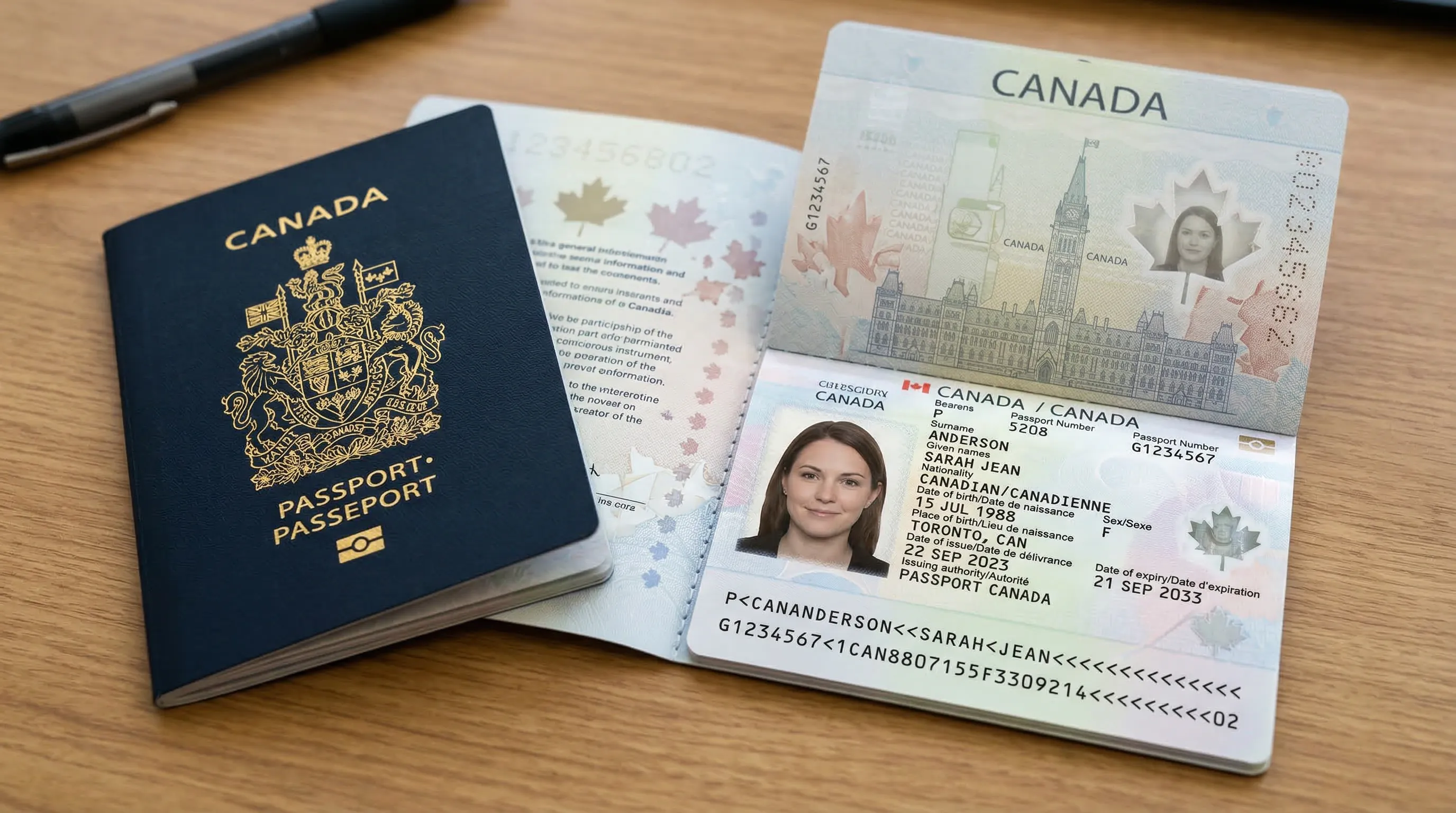
Canada is one of the best passports for remote workers who care about long-term optionality as much as visa-free numbers. Canadian citizens typically receive visa-free or visa-on-arrival access to about 185 destinations. That score is slightly below the very top tier, but the country offers unusually strong quality-of-life fundamentals, broad global trust, and relatively clear pathways from temporary status to permanent residence and then citizenship.
Canada's appeal is structural. It has stable institutions, major airport hubs, and a large talent-based immigration system run through official channels such as Immigration, Refugees and Citizenship Canada. Citizenship usually requires physical presence in Canada for 1,095 days within the previous five years, among other conditions. That clarity helps planners.
For globally mobile families, Canada often compares well with the UK and Australia because it balances mobility with social infrastructure. We frequently point readers to broader global immigration planning resources when they are weighing short-term freedom against long-term settlement.
What Remote Workers Should Consider Beyond Visa-Free Score
Remote workers should look beyond visa-free rankings because tax residence, climate, healthcare access, banking, and time zones shape daily life more than a difference of five destinations on an index. Canada is strong for families, dual-career households, and entrepreneurs who want legal predictability. The tradeoffs are winter climate, housing costs in Toronto and Vancouver, and longer domestic travel times.
Conclusion
The best passports for remote workers are not always the ones with the single highest visa-free score. Portugal and Spain pair mobility with remote-work-friendly living. Germany and the Netherlands deliver trust and business efficiency. Ireland offers a rare EU-UK bridge. Singapore leads on pure global movement. Japan adds safety and convenience. Canada brings long-term flexibility.
What changed in recent years is just as important as the rankings themselves: Spain formalized remote-worker rules, Portugal refined its nomad framework, Germany liberalized dual citizenship in 2024, and Brexit increased Ireland's strategic value. The right choice depends on whether you value fast travel, easier residency, family planning, tax predictability, or business credibility.
We recommend using passport rankings as the starting point, not the decision itself. Review official government sources, confirm current policy dates and residency thresholds, and treat professional advice as essential for tax or legal matters. For structured comparisons and document-focused research, Passport Factory can help you organize the options before you commit.