Spain is still the visa that gets the most attention, and most of that attention is sloppy. People hear “digital nomad visa,” “Barcelona,” and “Beckham Law,” then skip the part that actually decides whether the file moves: income proof, foreign-client structure, apostilles, and whether the tax angle is real for their case.
That is why Spain keeps attracting serious applicants and disappointing casual ones. The upside is real. The paperwork is real too.
Who qualifies for Spain’s digital nomad visa in 2026?
Spain’s digital nomad visa is built for foreigners who want to live in Spain while working remotely through computer and telecom systems for companies outside Spain. Spanish consular guidance also allows self-employed applicants to work with Spanish clients, but only as a minority share of total activity rather than the main business model. That is a much tighter rule than a lot of roundup posts imply. [Official consular overview]
For Spain’s broader travel-document context beyond the visa itself, see the Spain passport page.
There are three filters that matter most:
- You must actually be a remote worker, not someone planning to move to Spain and then figure out local work later.
- You need a credible relationship with a foreign employer or foreign clients.
- You usually need either a degree, professional training, or roughly three years of experience in your field, depending on the consular route and how your case is documented.
That last point catches people off guard. Spain is not selling a pure “show up with a laptop” visa. It is closer to a remote-work residence route for people who can prove they already do this professionally.
If income evidence is the part that feels wobbly, start with how to prove remote income for a digital nomad visa before you start ordering apostilles.
If your question is broader than Spain alone, the broader digital nomad visa comparison is the right place to compare it with the rest of the market before you lock yourself into one country.
Spain digital nomad visa income requirement: what the 200% rule really means
The official shorthand is simple: Spain usually wants the main applicant to show financial means equal to 200% of the monthly benchmark used by the relevant guidance, with extra amounts for dependents. But the exact euro figure you see online changes because different consular pages reference different annual benchmark updates.
Recent official consular guidance shows the rule in this format:
- Main applicant: 200% of the monthly benchmark
- First accompanying family member: 75% extra
- Each additional family member: 25% extra
Examples from current consular material:
- Washington guidance shows €2,368 per month using the 2025 benchmark. [Washington consular page]
- Other official pages and PDFs still frame the rule as 200% of SMI or 200% of IPREM, which is why old blog posts often quote slightly different numbers. [New Delhi consular page] [Melbourne PDF]
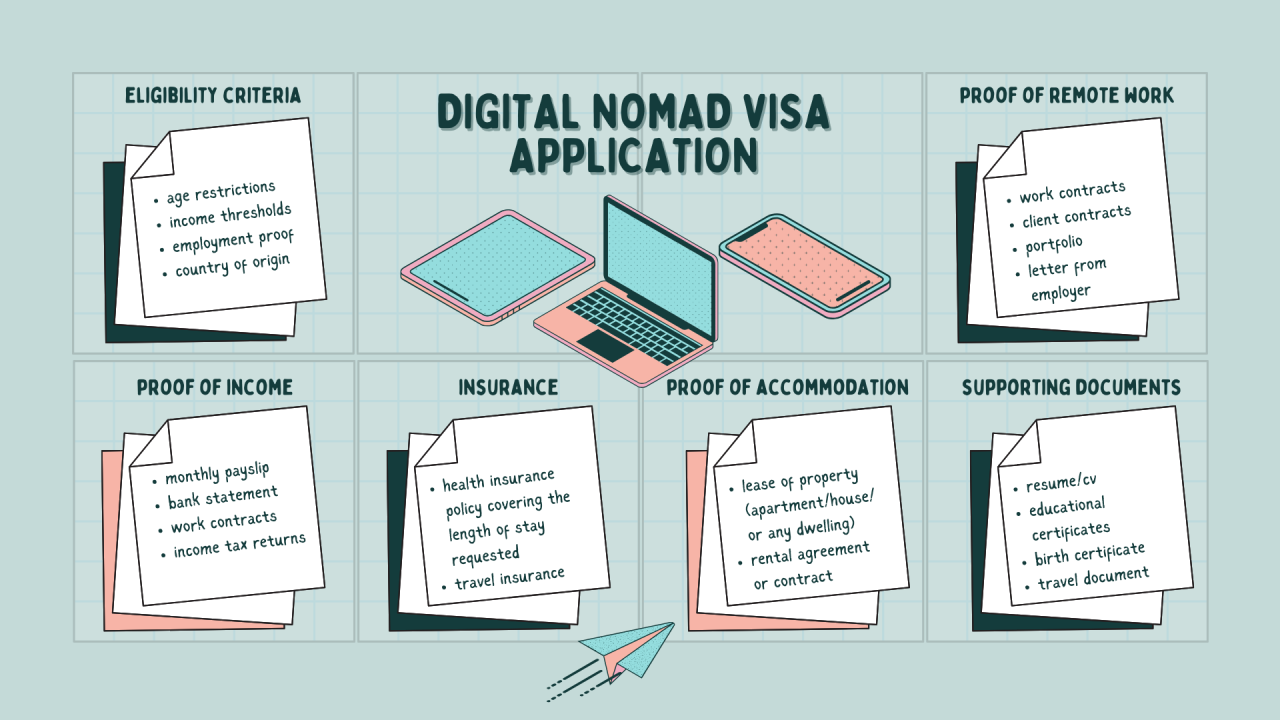
The important part is not just the number. It is how cleanly you can prove it. Salary slips, bank statements, client contracts, employer letters, and ongoing relationship evidence matter more than a headline threshold screenshot.
The Beckham Law angle: why people care, and why they get it wrong
This is the part that drives clicks. Spain’s special expat tax regime, usually called the Beckham Law in English-language nomad content, is one reason the visa gets treated like a cheat code.
But the visa and the tax regime are not the same product.
Plenty of applicants talk as if getting the visa automatically means getting ideal tax treatment. That is not how cross-border tax works. You still need to check whether you qualify for the special regime, whether your income structure fits it, whether you are an employee or self-employed, and whether your home-country tax obligations wipe out the benefit anyway.
That is the real Spain mistake in 2026: people still choose the visa based on old tax Twitter. If the tax angle is a major part of your Spain decision, verify it with a qualified tax adviser who works with Spain’s current regime instead of treating a nomad newsletter as law.
The visa may still be worth it even if the tax treatment is less glamorous than advertised. Spain remains a serious EU base with strong transport, livability, and longer-stay upside. Just do not let the tax story do all the selling.
Documents, translations, and apostille friction
Spain is where “I have the income” and “I have a usable file” part ways.
The official pages consistently point to the same friction points:
- proof of remote employment or client relationships
- proof that the relationship existed before the application
- degree or experience evidence
- criminal-record paperwork
- proof of sufficient financial means
- translated and legalized or apostilled foreign documents where required
This is not exotic bureaucracy. It is normal Spanish consular bureaucracy. But it is heavier than many of the visas Spain gets compared against.
One practical point that matters: consular pages also note that foreign official documents usually need legalization or apostille and official translation into Spanish. That alone is enough to knock out applicants who think this is a one-week paperwork job. [Washington] [New Delhi]
How the application works from abroad versus inside Spain
Spain’s telework route has two versions people keep mixing together:
- The visa application made through a Spanish consulate abroad.
- The residence-permit route for foreigners already legally in Spain who apply from inside the country.
That distinction matters because the stay upside is different. Some official Spanish guidance explicitly notes that the visa can be valid for up to one year, while applicants already in Spain may seek a longer residence permit directly. [Houston consular page]
The practical result:
- If you are applying from abroad, you are dealing with consular document logic.
- If you are already in Spain legally, the residence-permit route may be more attractive.
That is also why Spain often beats the Portugal D8 visa route in “long-term upside” conversations. The residency logic is a real part of the pitch, not just the first-year stamp.
Processing reality, renewals, and why Spain still attracts serious applicants
Spain’s consular materials are not subtle about the basic shape of the route: a visa granted abroad can run for up to one year, while the in-country residence route is where the longer-stay logic becomes more attractive. [Houston consular guidance] That matters because a lot of nomad content still talks about Spain as if the first visa sticker and the longer residence path were the same stage. They are not.
In practice, Spain appeals to applicants who want three things at once:
- a serious EU base rather than a temporary stopgap
- a route that can lead to a more durable residence setup
- a country that feels livable enough to justify the paperwork pain
That last part matters more than people admit. Spain is not the cheapest European option and it is definitely not the easiest file. It still attracts strong applicants because the upside is not just “legal remote work.” It is the combination of transport, climate, language-learning upside, and the fact that the route feels like a real residence decision rather than a nomad marketing campaign.
This is also where Croatia’s digital nomad visa becomes the cleaner counterpoint. Croatia is more explicit on the math. Spain is more compelling if what you want is a long-term European base with more gravity behind it.
When Spain is a bad fit despite the hype
Spain is a bad fit if any of these are true:
- your income is real but messy and hard to document
- you hate translation and legalization work
- your real goal is only a flexible medium-length stay, not a serious base
- your tax situation is complicated enough that you are choosing on rumor
In those cases, Estonia, Croatia, or Thailand may be easier decisions even if Spain looks sexier on YouTube.
Spain wins when you want a credible EU base and you can handle a professional-grade application file. It loses when you want a light admin experience. That tradeoff is the whole story.