If your budget is the main filter, most “best digital nomad visa” lists become useless fast.
They keep recommending Spain, Portugal, or Estonia to people who are nowhere near those thresholds. That is not realistic planning. It is aspirational sorting.
The real shortlist under roughly €2,000 per month is smaller, messier, and much more interesting. It also forces an important distinction: some routes are true digital nomad visas, and some are nomad-friendly long-stay alternatives that keep getting lumped into the same conversation.
The cheapest digital nomad visa income requirements in 2026
If you focus on the lower-bar end of the market, the countries that keep mattering are not the ones with the biggest nomad marketing budgets.
Broadly, the under-€2,000 conversation tends to include:
- Albania
- Ecuador
- Colombia
- Mauritius
- Cape Verde
| Option | Program | Core requirement | Approx. threshold / best fit | Note | Source |
|---|---|---|---|---|---|
| Albania | Digital Mobile Worker (Unique Permit) | ALL 1,200,000/yr from foreign sources | ~$1,230 | Reachable for mid-level earners once the annual figure is converted properly | Official |
| Ecuador | Visa Nómada | USD 1,446/mo, tied to 3x the Basic Unified Salary | ~$1,446 | Strong Latin America option, but dependent math lifts the real bar | Official |
| Colombia | Visa V Nómadas Digitales | COP 5,252,715/mo, tied to 3x the minimum wage | ~$1,467 | Much cheaper than the EU-heavyweights, but formula-linked | Official |
| Mauritius | Premium Visa | USD 1,500/mo per adult applicant | ~$1,500 | Simple headline requirement compared with benchmark-heavy alternatives | Official |
| Cape Verde | Remote-work-friendly small-market option | No clean public numeric minimum on the main public remote-work page reviewed | N/A | Attractive on lifestyle, but less mature and less transparent on threshold math | Official |
Some of the very lowest-bar options behave more like remote-work-friendly visitor or premium-stay frameworks than like the classic EU-style nomad visa. That is exactly why the cheapest articles online are often misleading. They treat every route as if the label were the same.
For the fuller ranking by threshold, the country-by-country digital nomad visa income table is the better reference page before you lock onto one country.

Which low-bar routes are true nomad visas, and which are lookalikes?
This is the part most searchers actually need.
There are three buckets:
- True digital nomad visas with a named remote-work category
- Remote-worker residence products that are not branded the same way but function similarly
- Visitor or long-stay alternatives that nomads use because the economics are easier, even if the legal structure is not as clean
That is why this keyword always needs caveats. A “cheap nomad visa” can be cheap because the threshold is genuinely low. It can also be cheap because the route is not really comparable to the EU-style residence visas people think they are comparing.
The actual low-bar countries worth looking at
Albania
Albania remains one of the clearest low-bar routes in the broader remote-work conversation. It is attractive because the threshold is low enough to matter, and the country keeps showing up in budget-first nomad searches for a reason.
If Albania is on your shortlist, its passport-country context is here: Albania passport page.
Ecuador
Ecuador is one of the cleanest low-bar Latin American examples because the threshold is still low enough to be reachable for mid-level remote earners. The catch is that benchmark-linked systems can move, so yesterday’s viral nomad thread can become stale very quickly.
Colombia
Colombia belongs on this list because its threshold math often remains far below the EU-heavyweights. But Colombia is also one of the best examples of why formula-linked income rules need active verification rather than static blog trust.
Mauritius
Mauritius keeps appearing because the bar is simple enough to understand and still competitive. That simplicity is a real advantage when you are comparing lower-income routes.
Cape Verde and other smaller-market options
Smaller-market programs can look very attractive at this income level, but they also tend to carry more practical questions around processing style, ecosystem depth, and long-term optionality.
Cheap is not fake. It just is not enough by itself.
There is a second reason this list matters: it filters out countries that are basically content bait for a huge part of the market. Someone earning €1,600 to €1,900 a month does not need another roundup built around Spain and Portugal. They need a shortlist where the official math is at least arguable on the day they apply.
Where the “under €2,000” claims usually come from
This is where a lot of low-threshold content becomes sloppy.
Some countries publish a direct number. Others publish a formula tied to a minimum wage, a salary benchmark, or a broader means-of-subsistence rule. Those are not the same thing. A route can look cheap in a screenshot and become more expensive the moment the benchmark updates.
You can see that clearly in official pages:
- Albania’s digital mobile worker permit uses an annual threshold rather than a neat monthly slogan. [Albania official page]
- Ecuador’s nomad visa is tied to a multiple of the Basic Unified Salary, which is why the number moves when the benchmark moves. [Ecuador official page]
- Colombia’s digital nomad threshold is linked to local minimum-wage math and supporting bank statements, not just a blogger’s headline figure. [Colombia official visa page]
That is the important pattern: cheap routes are often benchmark routes. If you do not check the official number for the month you apply, you are not comparing countries. You are comparing stale screenshots.
That is also why this keyword ages badly if nobody revisits it. A post can be technically accurate when published and functionally wrong a few months later once the benchmark moves.
Why Georgia and Serbia keep appearing in these searches
This is where the search intent gets muddy.
Georgia and Serbia remain popular with budget-minded remote workers because they have been genuinely usable bases for long stays or easier entry patterns. But they do not always fit the same legal box as a dedicated named digital nomad visa.
That matters because the title people search and the status they actually use are often different things.
So if you came here expecting Georgia and Serbia to be a simple “best nomad visa under €2,000” answer, the honest answer is more complicated:
- they may still be practical remote-worker bases
- they may not be the cleanest examples of a formal digital nomad visa
- the legal comfort level is not always the same as a purpose-built nomad program
That is exactly why cheap-route content needs more honesty and less influencer energy.
It is also why working remotely on a tourist visa should not be your fallback plan just because the threshold looks cheap somewhere else.
The smarter way to use a low-threshold list
A low threshold should narrow your shortlist. It should not make the decision for you.
The better sequence looks like this:
- Find the countries where the published bar is realistically provable for your income.
- Check whether the route is a real remote-work permission or a tolerated long-stay workaround.
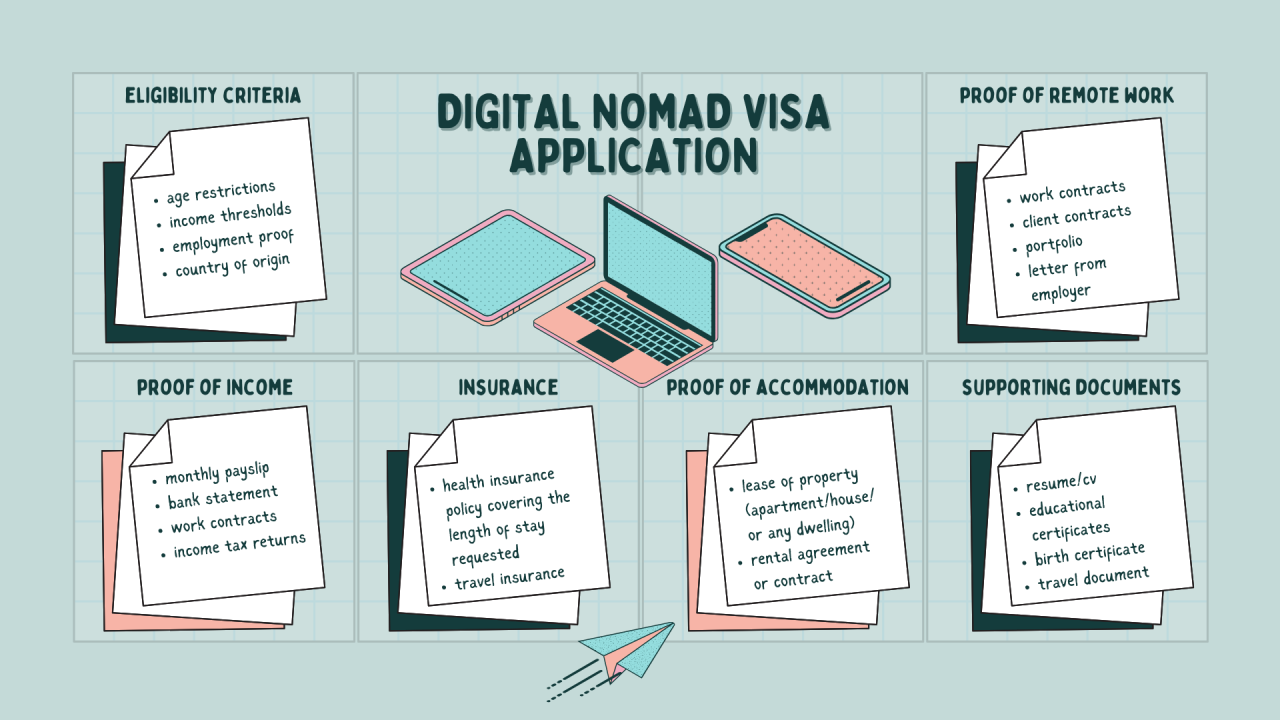
- Check whether you can support the file with clean contracts, statements, and housing evidence.
- Only then start comparing lifestyle.
That order is less exciting than destination-first planning. It is also how people avoid building an entire relocation idea around a threshold they can technically hit and practically fail.
And yes, this is why low-threshold content and real application strategy are often miles apart. Cheap gets attention. Clean eligibility gets approvals.
If you use that sequence, a low-threshold shortlist becomes genuinely useful. If you skip it, it becomes another fantasy map with better weather.
The tradeoff almost every cheap-threshold article skips
Low threshold does not mean low friction.
In fact, cheap-route visas often trade income difficulty for other kinds of difficulty:
- weaker paperwork clarity
- less predictable renewal logic
- thinner banking or administrative systems
- less long-term residence upside
- more confusion between “tolerated in practice” and “expressly authorized”
That is why the cheapest route is not always the right route. Sometimes it is simply the route that gets you into the wrong country logic for your actual goals.
Mauritius is a good example of that trade. The headline threshold looks friendly enough to attract attention, but the real decision still depends on how you value island geography, local admin practicality, and whether the route fits your long-stay plan rather than just your budget spreadsheet. [Mauritius Premium Visa guidance]
If your goal is long-term optionality instead of short-term affordability, our full ranking of the best digital nomad visas is the better next filter.